
A landscape under pressure
In North East Perthshire, within the River Isla catchment, Bamff Wildland is quietly reshaping how land can respond to climate change. Covering 170 hectares of former sheep pasture and woodland, the site has been managed since 2021 through a trophic rewilding approach, bringing back natural processes through low-density grazing and the long-established presence of beavers.
Owned by the Ramsay family and now led by Sophie Ramsay, the project builds on work first started by Paul and Louise Ramsay. It is supported by a steering group of scientific experts and a wider network of conservation and rewilding organisations. Funding comes from a mix of rural payments, ecotourism, forestry and occasional grants, including the Nature Restoration Fund.
The need for this work is clear. The wider Isla catchment has been heavily modified over time. Rivers have been straightened, land drained and ecosystems simplified. As a result, water moves too quickly through the landscape, increasing the risk of both flooding and drought. Nearby towns such as Alyth already experience regular flooding, while farmers face growing uncertainty as crops and forestry become more exposed to extreme weather, pests and disease. During a recent dry summer, reservoir levels dropped worryingly low, highlighting the pressures on water supply across the region.
Working with natural processes
At Bamff, the response has been to work with nature rather than against it.
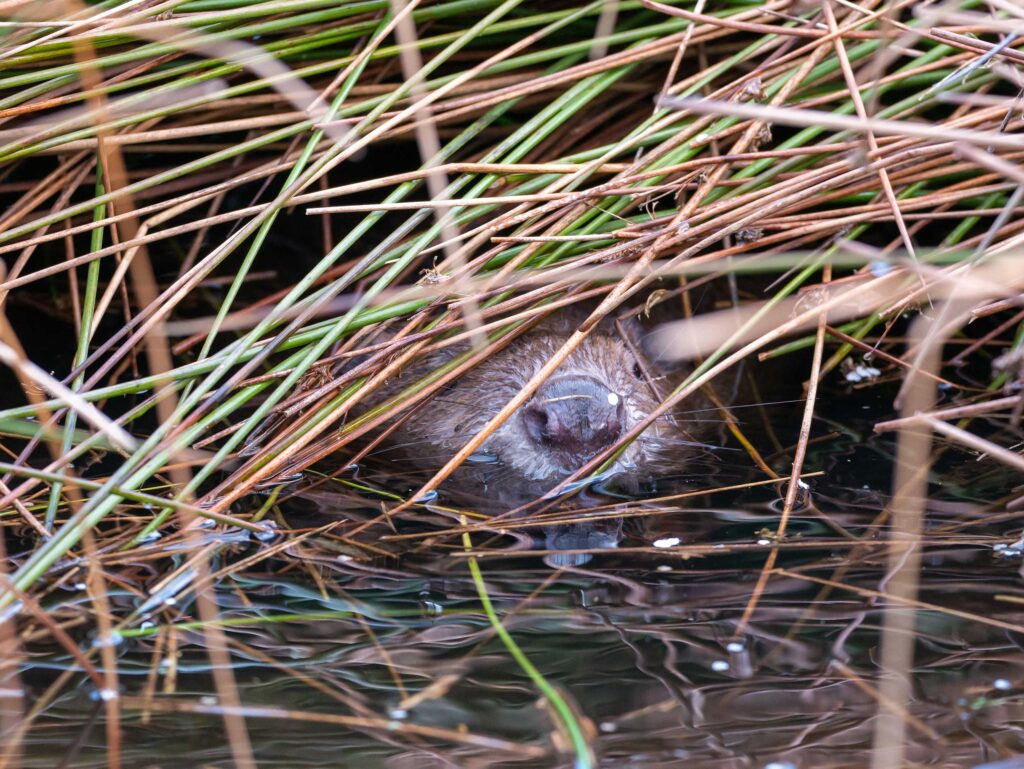
Beavers, first introduced in 2002, play a central role. Through dam building and channel creation, they slow the movement of water and reconnect it with the surrounding land. Their activity creates wetlands that hold water during heavy rainfall and retain it during dry periods. Research at the site has shown how these systems can reduce flood peaks, recharge groundwater and maintain moisture in surrounding soils, even during drought.
Alongside this, former sheep pastures have been transitioned to natural grazing. Cattle, pigs and Exmoor ponies now move across the land at low densities, creating a more varied mosaic of habitats. This supports greater biodiversity, improves soil structure and encourages carbon storage below ground.
These approaches were informed by research from rewilding projects across the UK and Europe, and continue to be shaped by ongoing monitoring and academic partnerships, including long-term research linked to the University of Stirling.
Learning through collaboration
Although rooted in a single estate, Bamff Wildland is part of a much wider network of collaboration.
The project works with organisations such as the Scottish Wild Beaver Group, Perth and Kinross Countryside Trust, Northwoods and the Scottish Rewilding Alliance, as well as contributing to wider initiatives like Bioregioning Tayside. These partnerships have helped shape both the scientific direction of the work and how people can access and engage with the site.
Support from funding programmes, including the Nature Restoration Fund and FIRNS, has enabled ecological surveys, mapping and wider local engagement, while also helping to connect the project to others working at a catchment scale.
What’s changing
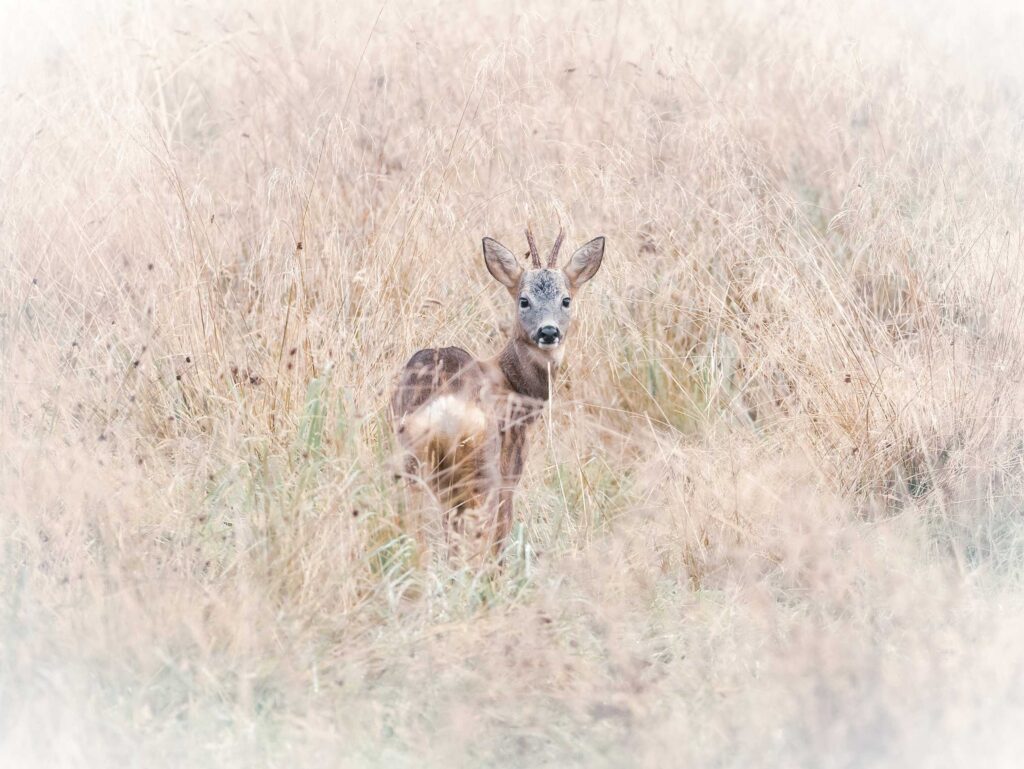
The impacts of this work are already visible. Biodiversity is increasing, and the land is becoming better able to absorb and manage water. The site has also become a place of learning, attracting researchers, students and visitors interested in rewilding and nature-based solutions.
There are wider benefits too. Local guides bring visitors to experience the beavers and wildlife, while ecotourism has grown around the project. Just as importantly, a community of practice has formed, creating opportunities for knowledge sharing and collaboration.
This is not a fixed project with a defined endpoint. It is ongoing, adaptive work that responds to what the landscape is doing.
There have been challenges. Securing funding for long-term, holistic approaches remains difficult, particularly within systems that prioritise agricultural or forestry productivity. The project itself has evolved over time, requiring flexibility and a willingness to adapt plans as conditions change.
Looking ahead
Future plans include exploring designation as a Nature30 site, supporting local volunteer action such as removing invasive species from waterways, and working more closely with neighbouring land managers to improve river connectivity across the catchment.
At its core, the project offers a different way of thinking about climate adaptation. Rather than trying to control water and ecosystems, it shows what can happen when natural processes are restored and allowed to shape the landscape again.