
Climate Ready Tayside is a new partnership bringing together public, private and community organisations to prepare people and places for a thriving future in our changing climate. One of its priorities is supporting nature-based solutions (NBS) at a landscape scale.
From 7–13 September, we explored that work through ‘Creating a Climate Ready Tayside: Local Action, Natural Solutions,’ a week of events showcasing how NBS are already being delivered across the region.
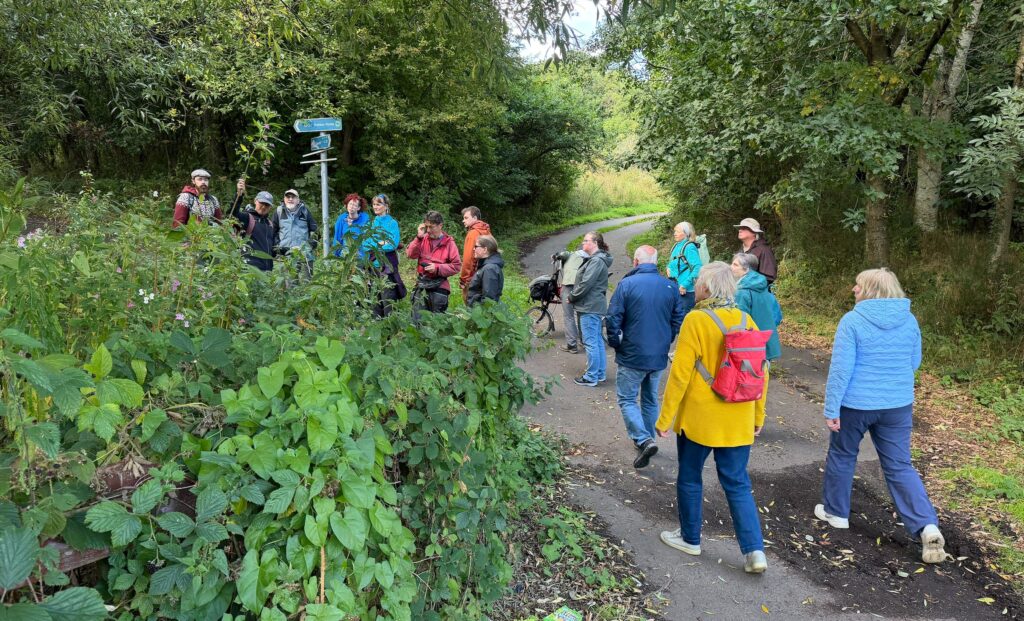
Site visits, walks and practical sessions highlighted a diverse range of work, from community-led coastal resilience at East Haven and river restoration along Dundee’s Dighty Burn, to regenerative agriculture at Balruddery Farm, community growing projects and long-term river and floodplain restoration on the Allan Water.
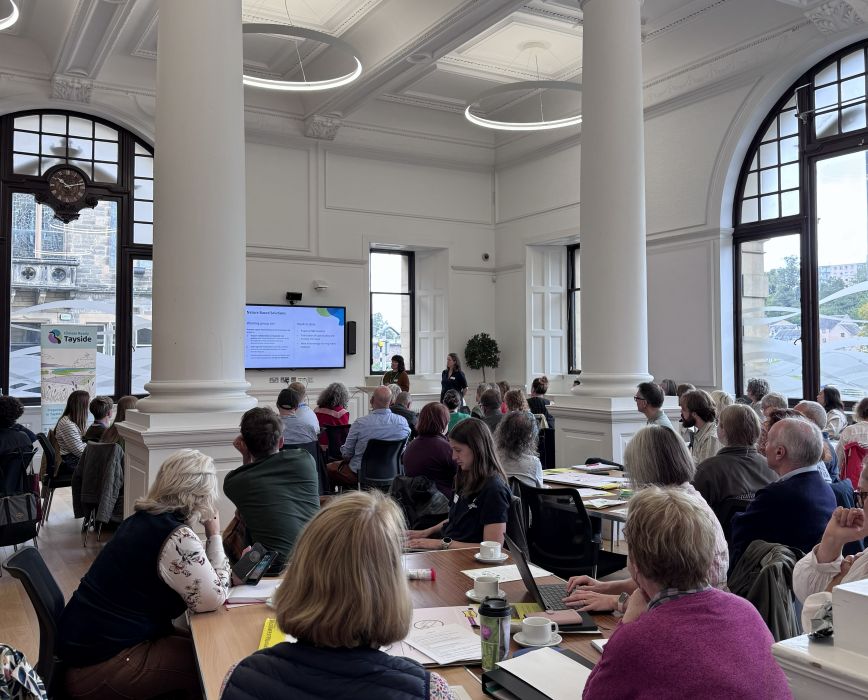
On 10 September, Climate Ready Tayside convened a full-day conference in Perth entitled ‘Nature-Based Solutions and Landscape Scale Action in Tayside.’ It brought together community groups, farmers and land managers, researchers, local authorities, environmental organisations, practitioners and policy makers. The Conference showcased a wide variety of live projects, alongside expert speakers on local, regional and national approaches and insight on NBS.
A number of common themes emerged about what is needed to build climate resilience at a regional scale.
Nature is infrastructure
One of the strongest messages from the day was that nature should be considered as a form of infrastructure when it comes to tackling the climate and biodiversity crises.
Bruce Wilson of Scottish Wildlife Trust encouraged participants to think about peatlands, wetlands, floodplains and urban trees in the same way we think about roads, bridges or flood defences. This does not necessarily mean replacing traditional infrastructure but recognising that natural and engineered solutions often work best together. Such natural systems store water, reduce heat, support biodiversity and help communities adapt to climate impacts.
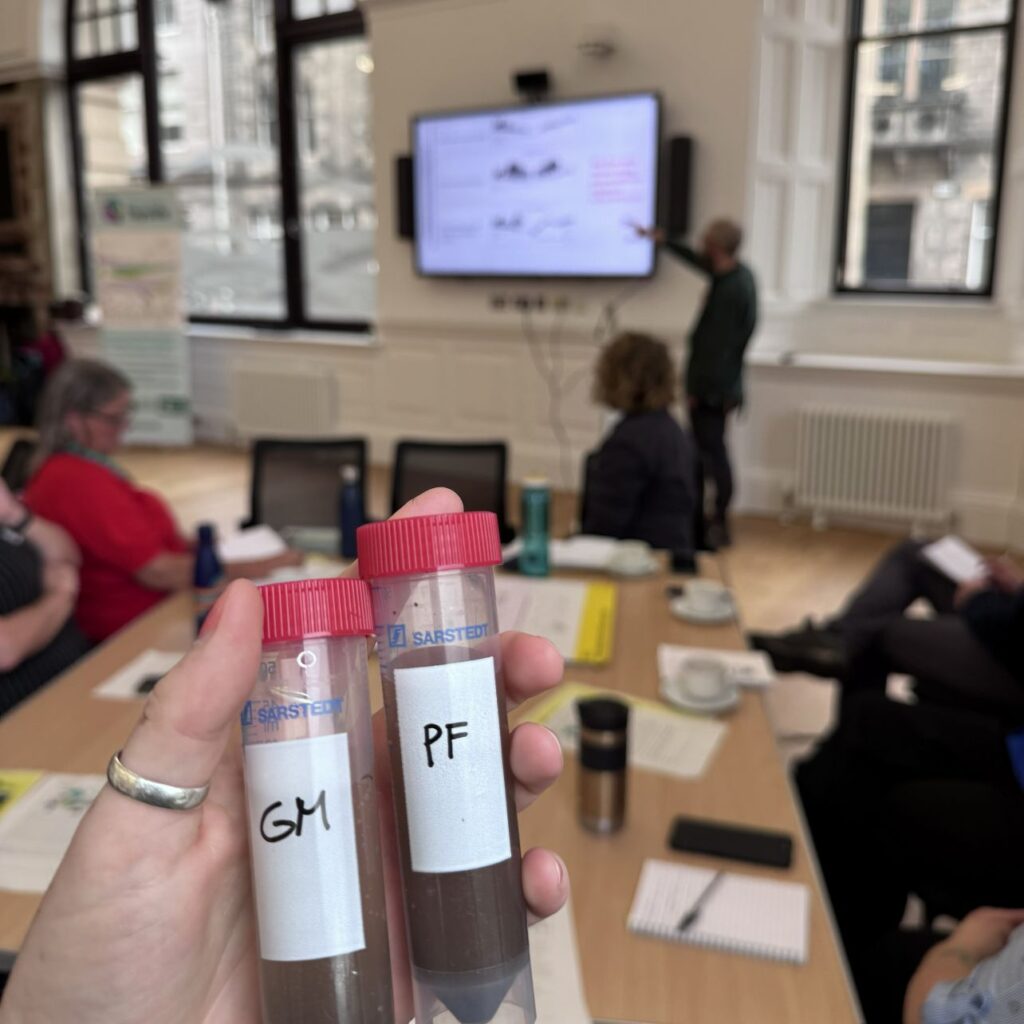
A presentation from the James Hutton Institute also demonstrated how interventions such as soil management, field buffers and grass margins can improve water retention and reduce runoff across a landscape.
Resilience is bigger than individual projects
Climate Ready Tayside’s NBS Green Map has already identified 62 sites where NBS projects are being delivered , demonstrating the scale of activity already taking place.
However, discussions throughout the week reinforced the notion that becoming resilient is about more than counting the number of individual projects. The real value often lies in the connections between them.
The Dighty Burn restoration work, for example, is helping create opportunities not only for biodiversity and flood management, but also for active travel, recreation and community wellbeing. Similarly, the River South Esk Catchment Partnership is delivering work across rivers, farmland, wetlands and coastal habitats, showing how different interventions can contribute to wider catchment resilience.
Building climate resilience requires us to understand these connections and increasingly plan beyond the boundaries of individual projects, organisations and local authority areas, for which climate change has no regard.
Land managers are critical partners
Another recurring theme was the importance of involving land managers in shaping solutions.
Presentations from Guardswell Farm highlighted the realities of balancing food production, biodiversity, water management and economic viability. The key lesson was that environmental and economic decisions cannot be separated.
If farmers and landowners are being asked to manage land differently, there must be practical benefits and viable incentives to support that change. Discussions therefore focused not only on providing adequate funding, but also on engaging communities and land managers early in the process.
Recognising and measuring resilience
The conference also raised an important question: how much work is already contributing to climate resilience without being recognised or measured in those terms?
NBS can deliver multiple benefits simultaneously, including reduced flood risk, improved biodiversity, healthier soils, better water quality and enhanced community wellbeing. Yet many of these outcomes are not always captured or communicated effectively.
Better evidence and monitoring could help identify which approaches are delivering the greatest impact. This can strengthen the case for investment and ensure that success is measured not only by quantifiable metrics, such as hectares restored or trees planted, but by the qualitative impacts on people and nature.
Connecting rather than duplicating
NBS Week highlighted just how much positive work is already happening across Tayside. The challenge now is to connect those efforts, understand how they are building resilience and help successful ideas spread further.
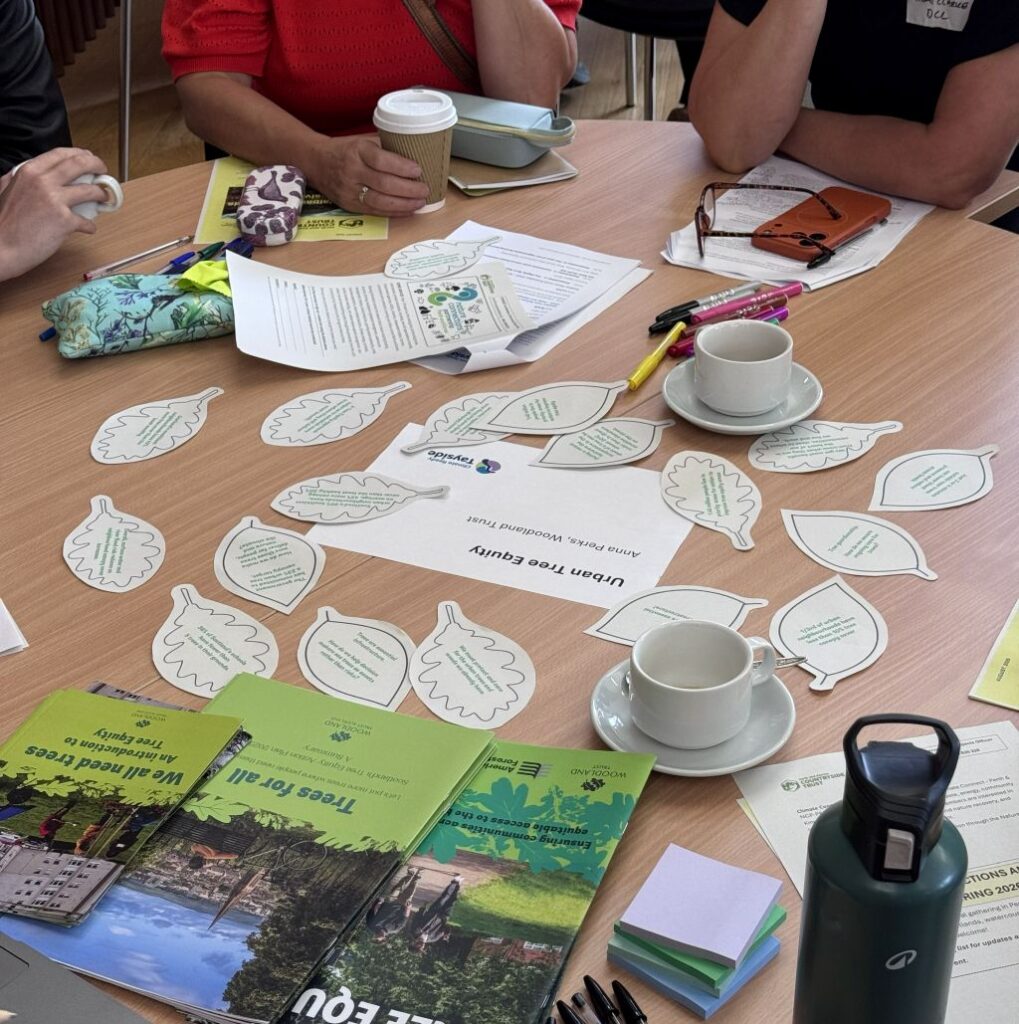
Participants clearly highlighted the need for more opportunities to share learning, visit projects, exchange practical case studies and build stronger links between communities, researchers, land managers and public bodies. There were also calls for improved regional mapping, clearer funding pathways and greater involvement from schools, colleges and young people.
From this, it is clear that regional resilience will not be achieved through any single project or organisation. It will come from what we can achieve together.